Ultra-Rare Disease: Do You Know Any of These 10?
Most of us will never meet someone with an ultra-rare disease, and that’s exactly why so few people understand what it means. These conditions affect only a tiny fraction of the population, sometimes just a handful of people worldwide. Patients often wait years for a diagnosis, and doctors may go an entire career without seeing a single case. Behind every one of these conditions is a real person, a family, and a story that rarely makes headlines. Here are 10 things ultra-rare diseases that you most likely have never heard of before, including Gilbert Syndrome and Kawasaki Disease.
NOTE: The information in this article is based on resources from NORD. This post is for general information only and is not medical advice
Note: Featured image credit: pexels.com/MonsteraProduction
1. Achalasia

Achalasia makes it difficult to move food down into the stomach, because the esophagus — the tube connecting the mouth with the digestive system — does not work properly. This ultra rare disease is estimated to affect 0.01% to 0.0157% of the European population.
2. Lambert-Eaton Myasthenic Syndrome

This rare autoimmune disorder affects the nerves and the muscles: they are not able to communicate properly between one another, which leads to muscle weakness. It starts in the muscles of the legs or arms, and the development of LEMS is associated with cancer in 60% of cases.
3. Progressive Osseous Heteroplasia
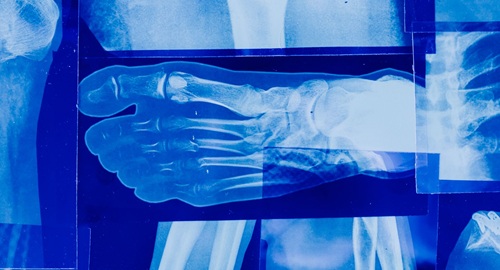
This ultra rare disease sees the body develop bone in areas of the body where it’s not usually found. It starts with the formation of patchy bone on the skin then continues to develop to include bone formation within the body itself. Muscles, tendons, even fat beneath the skin may all turn into bone in a process called ossification. Less than 0.0001% of the population in Europe suffer from Progressive Osseous Heteroplasia; this is less than one in one million.
4. Gilbert Syndrome


Gilbert syndrome affects the liver: it becomes unable to process bilirubin, a waste product formed when old red blood cells are broken down. People with this disorder have high levels of bilirubin but don’t tend to show any symptoms, except possibly some that resemble jaundice. Although it hasn’t been proven, historians believe that Napoleon Bonaparte likely had Gilbert Syndrome.
5. Usher Syndrome
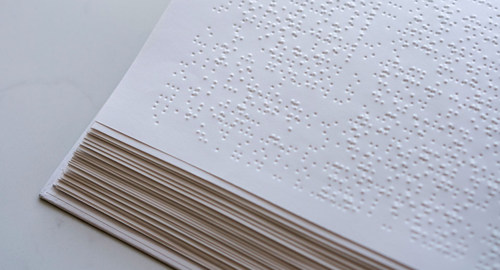
Usher Syndrome is a rare genetic disorder, meaning it gets passed from parents to children. The inner ear and the nerves that send sound to the brain don’t work as well as they should, causing deafness. Usher Syndrome also affects the eyes’ retinas, causing blindness to develop slowly over time.
6. Kawasaki Disease
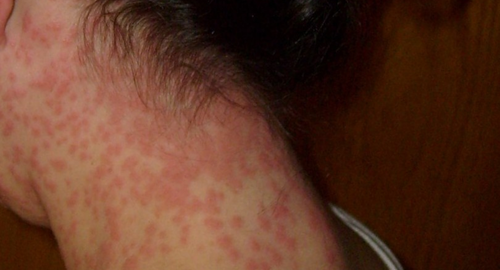
Kawasaki Disease affects the blood vessels of infants and young children, with symptoms including high fever and a skin rash. The arteries taking blood to the heart — and even the heart itself — may become inflamed. The cause of Kawasaki Disease is unknown.
7. Joubert Syndrome
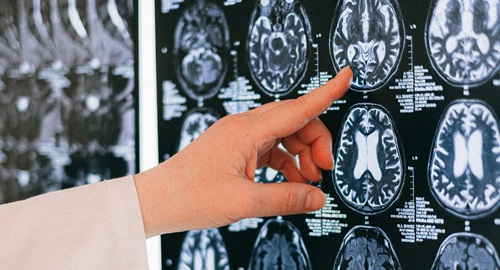
Joubert Syndrome affects the part of the brain that controls balance and coordination. It shows up with symptoms including a lack of muscle control, sleep apnea, and abnormal breathing. It is confirmed by MRI, where the cerebellar vermis of the brain is either missing or underdeveloped, and the brain stem is abnormal.
8. Yunis Varon Syndrome

This ultra-rare disease affects multiple parts of the body: the skeleton, nervous system, hair and teeth. Yunis Varon Syndrome is an inherited condition, showing up in infants in a number of ways including missing fingers and toes, a lack of eyelashes and eyebrows, along with difficulty breathing and feeding. The serious nature of breathing and feeding issues, along with the possibility of heart problems makes this a life-threatening problem.
9. Ablepharon-Macrostomia Syndrome
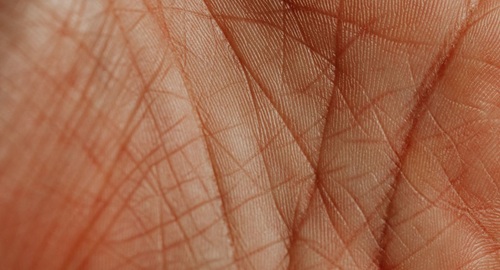
Also called AMS, this genetic disorder causes signs and symptoms involving the face and skin. These include missing or underdeveloped eyelids, a wide mouth, wrinkled skin, and slow growth. It was first described in 1977 and less than 30 cases have been documented worldwide since then.
10. Non-24-Hour Sleep-Wake Disorder

Non-24-hour sleep-wake disorder (N24) is a disorder of the circadian rhythm where an individual’s biological clock doesn’t synchronize to a 24-hour day. They are unable to sleep at approximately the same time each day, instead their sleep time will delay by minutes to hours each day because their biological clock is longer than 24 hours. In rarer cases, the biological clock will be less than 24 hours. N24 is found in 55-70% of completely blind people, but it is also found in some sighted people.
Ultra-Rare Disease: Final Thoughts
Ultra-rare disease may be uncommon, but the challenges it brings are anything but small. From long diagnostic journeys to limited treatment options, the people affected face hurdles most of us never have to consider. The good news is that awareness is growing, and with it comes more research and more hope. Learning about these conditions is a small but meaningful step toward that change. If this article taught you something new, consider sharing it, supporting a rare disease organization, or simply listening the next time someone shares their story. Every conversation helps make the rare a little less invisible.